
WAMP SERVER
WAMP is an acronym for Windows, Apache, MySQL and PHP. It is a combination of independently created software’s bundled together into a SINGLE installation package to set up a SERVER on your machine with out any hassles. It comes with the GPL License.
Apache HTTP Server:
Widely know as Apache Server is the most widely used webserver out there. Apache is developed and maintained by an open community of developers under the guidance of the Apache Software Foundation. It is available for wide variety of operating systems like Windows, Mac OS X, Linux, Unix, FreeBSD etc.
MySQL:
It is a relational database management system (RDBMS). In which data is stored in the form of tables and the relationship among the data is also stored in the form of tables. The program runs as a server providing multi-user access to a number of databases.
MySQL is popular for web applications and acts as the database component of the LAMP, BAMP, MAMP, and WAMP platforms (Linux/BSD/Mac/Windows-Apache-MySQL-PHP/Perl/Python), and for open-source bug tracking tools like Bugzilla. Its popularity for use with web applications is closely tied to the popularity of PHP and Ruby on Rails, which are often combined with MySQL.
PHP and MySQL are essential components for running popular content management systems such as Drupal, Joomla!, WordPress and some BitTorrent trackers.
PHP:
PHP originally stood for Personal Home Page. It is a scripting language, originally designed for producing dynamic web pages. It has evolved to include a command line interface capability and can be used in standalone graphical applications.
The structure of PHP has been influenced by C, Perl, Java, C++ and Python. So you may find many similarities while using PHP, if you have experience with any of those languages.
Contents of WAMP Server Package:
1. Apache Server
2. MySQL
3. PHP
4. phpMyAdmin
5. SQLite_Manager
6. Zend Optimizer
{mospagebreak title=Setting up WAMP SERVER}
Setting up WAMP SERVER
1. Go to http://www.wampserver.com/en/ to Download the LATEST ver. of WAMP SERVER and follow the Procedure below to install it.

On reaching this page

Click SAVE to Download the File

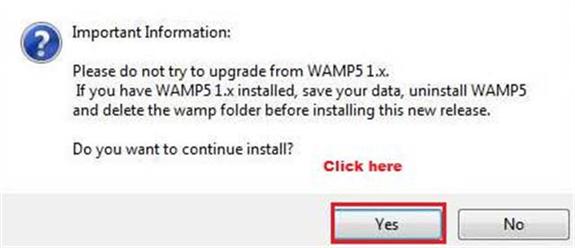
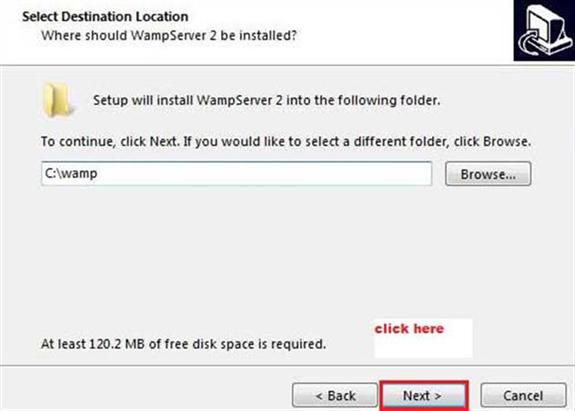
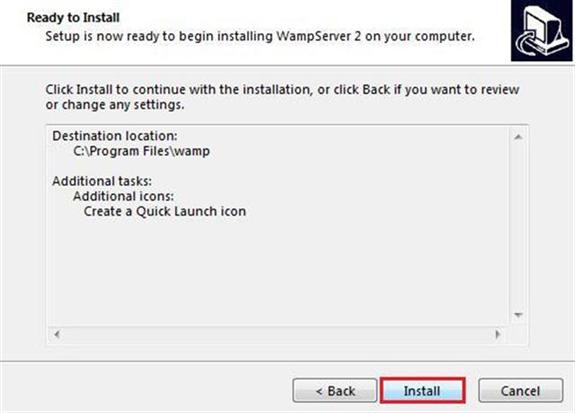
Once the download is complete double click the downloaded file to get the below dialog box. Follow the next few screenshots to install a copy of WAMP SERVER




{mospagebreak title=Exploring WAMP Server}
2. Now that the WAMP SERVER is installed browse through your Start Menu to Start WAMP SERVER.

Once you start the WAMP SERVER a Speedometer icon appears in your system tray ( located at your bottom right corner ). Once you left click the icon you get the below menu. Click Localhost to check if the installation was successful.

3. On clicking the Localhost your default browser starts and the following screen is displayed confirming the installation of WAMP SERVER successfully.

4. Now cross checking if all the components in the Wamp SERVER is working Click each of the tools mentioned above and you should get the following screens
Phpinfo()

phpMyADMIN

SQLite Manager
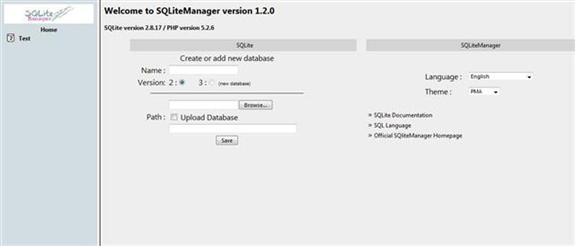
If you get the above screens then your ready with your WAMP SERVER and you can go ahead and Start your Web Development.
Additional Information:
{mospagebreak title=WAMP Server Menu Options}
Explaining the Various Menu Options
1. LocalHost: Clicking this will take you to the mail root of your server.
2. phpMyAdmin: This will Take you to the phpMyAdmin installed on your server with which you can handle the database comfortably
3. SQLiteManger: This is another database Manager
4. www directory: Clicking this will take you to the www ( root Directory of your server ) where you can put your php, html, css and other files to run from the local server.
5. Apache: This gives you the menu to handle all your Apache Server Options. Turning ON/OFF Apache handlers.

6. PHP: This provides you the list of PHP settings you can turn ON/OFF and lists the PHP extensions that are installed which can also be turned ON/OFF.

7. MySQL: This again provides various MySQL parameters you can handle with.
8. Start All Services: This option Starts the Services that are installed with the SERVER
9. Stop All Services: This Stops the Server Services which will stop PHP files to work since server is offline.
10. Restart All Services: This Restarts the all Services and saves any changes made with the components.
11. Put Offline/Online: This OPTION puts your Local Server Online and will be available to everyone on the internet through your IP ADDRESS.
[catlist id=167].