Exforsys
 

Oracle 11g Tutorial

Overview

Oracle 11g was introduced in the year 2009. Since its release, Oracle 11g has become the topic of discussion amongst the database developers. Oracle 11g has arrived with the performance oriented features, language enhancements and logical programming recommendations.

Training Objective

This section includes Oracle 11g tutorials which aim to educate the readers about Oracle database concepts. The objective of this tutorial series is to discuss new features in SQL, PL/SQL, Native Compilation, Result Cache and many other aspects incorporated in Oracle 11g release.   This series will also demonstrate the implementation procedures of various new features and study its impacts.

Target Audience

Oracle 11g tutorials provides concrete self-learning platform for beginners and will strengthen the fundamentals for intermediate database professionals.

Oracle Skill Tests

Related Trainings


Training Index
  1. Oracle 11g Result Cache Author: Saurabh Gupta

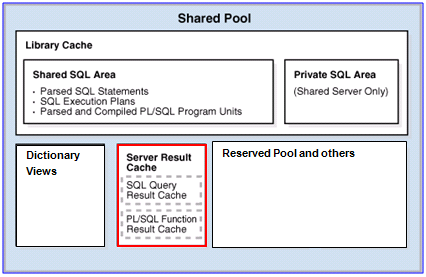
    Result Caching is a new feature introduced in Oracle 11g. Since its induction in the 11g release caching of result sets has emerged out as one of the most efficient performance tip in modern database applications. It can be implemented in both SQL and PL SQL. In this tutorial we shall see the result cache feature implementation and study its
  2. Compound Triggers in Oracle 11g Author: Saurabh Gupta

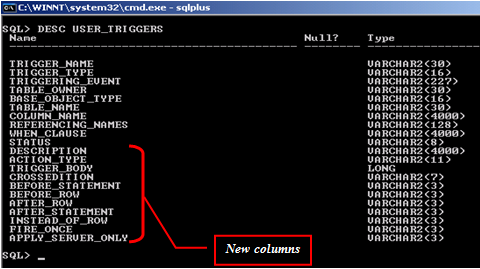
    In earlier versions of Oracle triggers were the database objects whose ability to collide with the current database state of an object and session state maintenance kept the database developers alert while designing triggers.  Oracle 11g offers considerable improvements in database triggers. These additions have not only enhanced the
  3. Oracle 11g Invisible Index Author: Saurabh Gupta

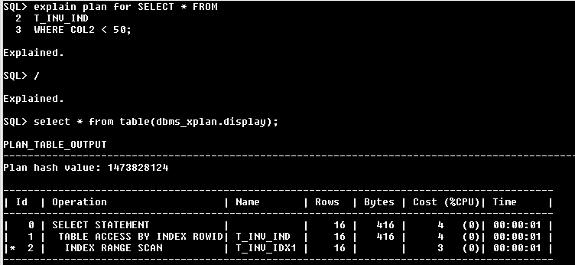
    Oracle 11g release has introduced a new property of an Index i.e. Visibility. Before the world saw 11g release an index was always created and existed in visible mode. But now as per the fresh feature in Oracle 11g an index may exist in Invisible Mode too. The optimizer may may not use the index during query execution. In this tutorial
  4. Oracle 11g Virtual Columns Author: Saurabh Gupta

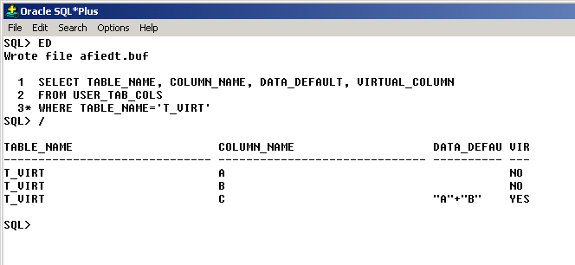
    Oracle 11g had brought multiple language enhancement features. These features have not only added the language utility but also widened the programming scope of database developers. In this tutorial we shall discuss one of those utility features Virtual Columns. Virtual columns are the columns which derive their value during runtime
  5. Oracle 11g Collections Author: Saurabh Gupta

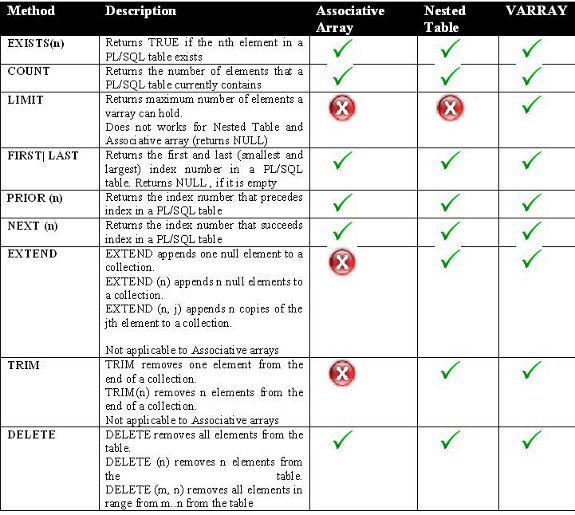
    Composite data types are hybrid types which are capable of holding components of varying data type. Oracle implements composite data type in two forms either as PL SQL records or PL SQL collections. Collections are one of the efficient implementations of persistent composite types in Oracle programming language. A collection is a group of elements
  6. Oracle Functions and Procedures Author: Saurabh Gupta

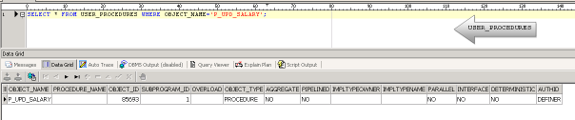
    Encapsulation and modularity are the few of the generic and recommended language features which enhance efficiency and scalability of the language in the application. Oracle database language implements these features through stored subprograms. These subprograms or subroutines are the program units which hold a business or computational component
  7. Oracle 11g Exception Handling Author: Saurabh Gupta

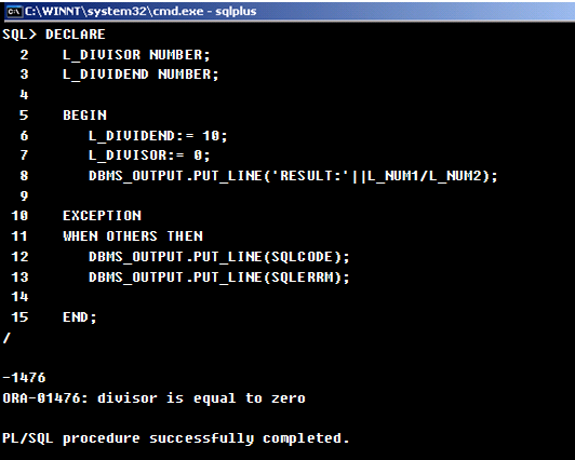
    Exception can be defined as the state of an entity which is different from its conventional and normal behavior. In context to programming language exception refers to the abnormal situation in the normal flow of the program. Oracle server raises exception whenever it encounters a logical violation of the flow during program execution. I have listed
  8. Oracle 11g Read Only Tables Author: Saurabh Gupta

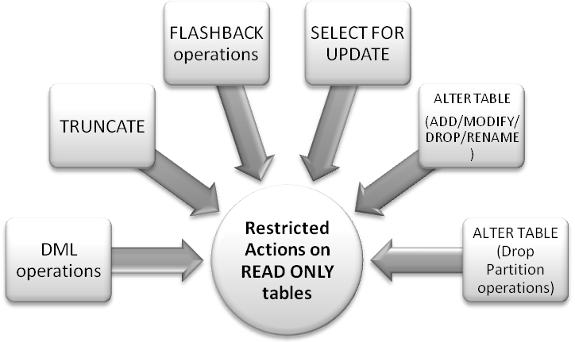
    Before the release of Oracle 11g READ-ONLY mode could only be associated with the database and tablespace. Oracle 11g extends this feature by introducing behavioral modes for database tables. A Read-Only table is a normal data storage table which restricts any transactional action on it. In the tutorial we shall study the behavior of READ-ONLY
  9. Oracle 11g Subprogram Overloading Author: Saurabh Gupta

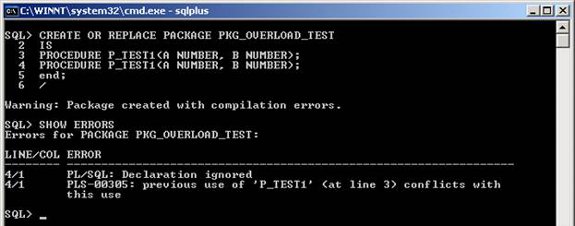
    Polymorphism is an Object Oriented Programming language feature which allows the objects to accept same input and behave differently. It can be implemented in three ways i.e. overriding hiding and overloading. In Oracle overloading is one of the polymorphism techniques which allow the creation of more than one program units within the vicinity
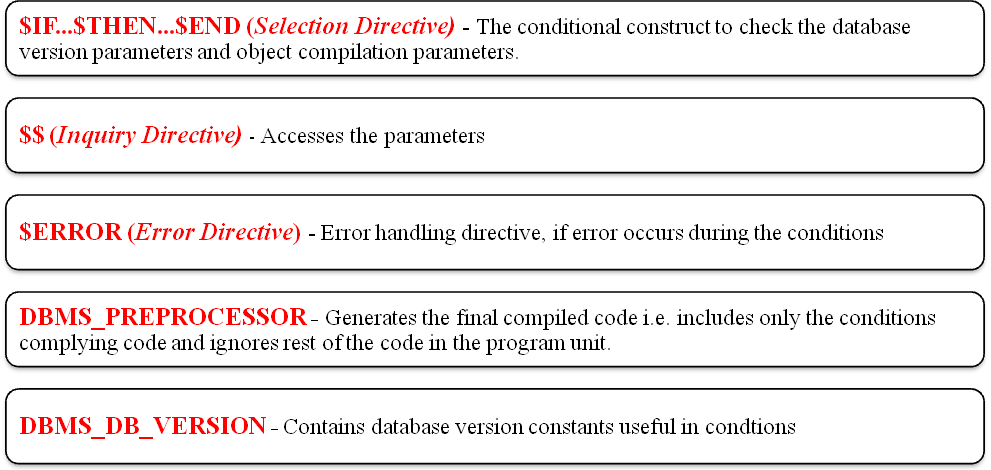
  10. Conditional compilation in Oracle PL/SQL Author: Saurabh Gupta

    Oracle 10g introduced conditional compilation feature in its second release. The conditional compilation feature enables a developer to impose conditions on the compiler. This implies that out of the complete source code of a program unit only the part of code which qualifies these conditions would be compiled. The compiler conditions can exist
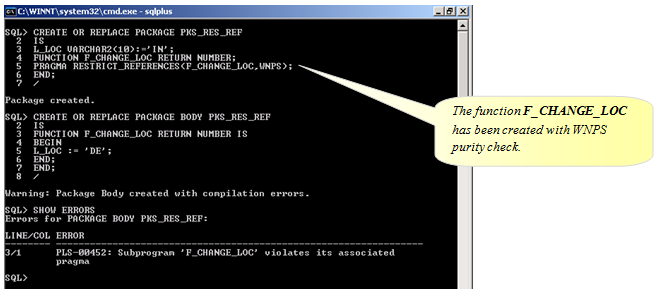
  11. Oracle Pragma Author: Saurabh Gupta

    The language compiler In a programming language compiler plays a crucial role in execution of a program. Compiler is a language component which converts a source code written using one of the interactive programming languages into machine code which the server can interpret and act upon. As a refresher Oracle compilation technique took
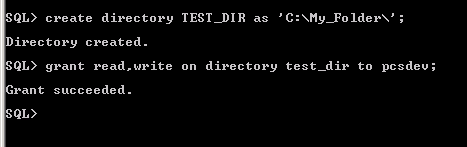
  12. UTL_FILE Author: Saurabh Gupta

    UTL_FILE is an oracle supplied built in package which can be used for text file operations located within a file system. The file system can exist either on the server side or on the client machine. The files accessed or operated by UTL_FILE are clear text files and not the binary files due to its incapability to handle the special characters.
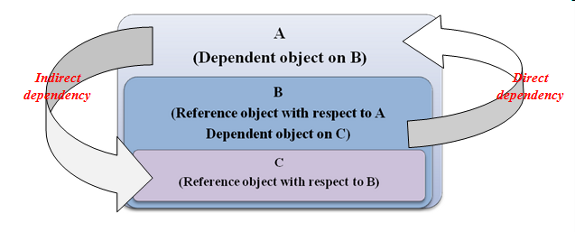
  13. Manage Oracle dependencies Author: Saurabh Gupta

    Oracle schema is the home for all the database objects. It shelters the entire set of objects which participate in the data storage layer tables views and data access layer package procedures functions triggers . These objects can establish reference across themselves to embed one or the other application logic. This relationship between
  14. Oracle 11g SecureFiles Author: Saurabh Gupta

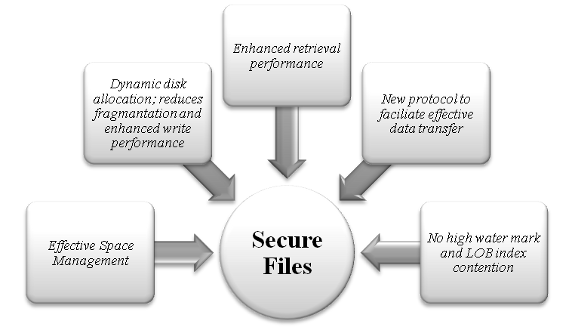
    Introduction With the whirling phases of application development its content has to be efficient to handle both relational and unstructured data in accessible form. Relational content looks fine and flexible to follow even crude strategies of storage but unstructured data like documents of varied sort audios videos and many more are add
  15. Oracle VPD implementation Author: Saurabh Gupta

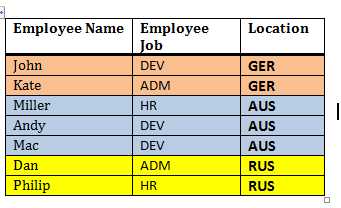
    1. What is Oracle Virtual Private Database VPD Oracle has provided several solutions to ensure and secure the database. An efficient security policy not only prevents the database against the database corruption or hacking threats but also minimizes the risk of unprivileged user access. Several data security surveys have concluded that unauthorized
  16. PL/Scope and PL/SQL Hierarchical Profiler Author: Saurabh Gupta

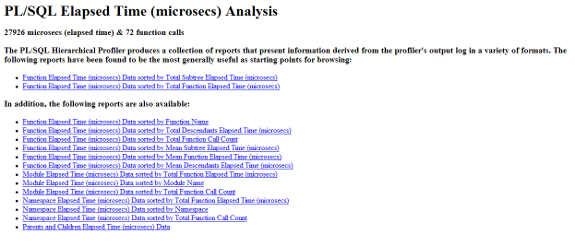
    Since the time Oracle 11g has been released way back in the year 2003 it has waved a new exploring instinct among the database users. Till now I observe the professionals engaged trying their hands out with Oracle 11g new features. Topics PL Scope The Identifier Repository PL SQL Hierarchical Profiler Conclusion Secure Files Compound
  17. Oracle Partitioning Overview Author: Saurabh Gupta

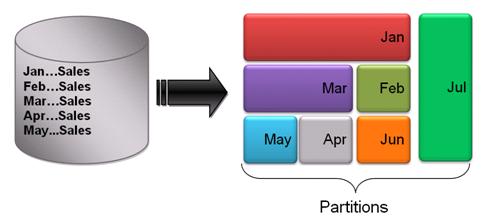
    Overview of Oracle Partitioning By the time of Oracle 11g versions and talks on further releases the concept of partitioning is not a new icing in the database technology. It has been the part of Oracle database since its 8.0 release 1997 and has been a proven functionality which ensures performance manageability and systematic data availability. Topics

Share


Connect

Ads

Exforsys e-Newsletter

Enhance Technical and Soft Skills every week, get our Job Interview Questions and Answers eBook free when you subscribe.

Subscribe and Get Free Bonus PDF Book

eBook

Subscribe

Ads